
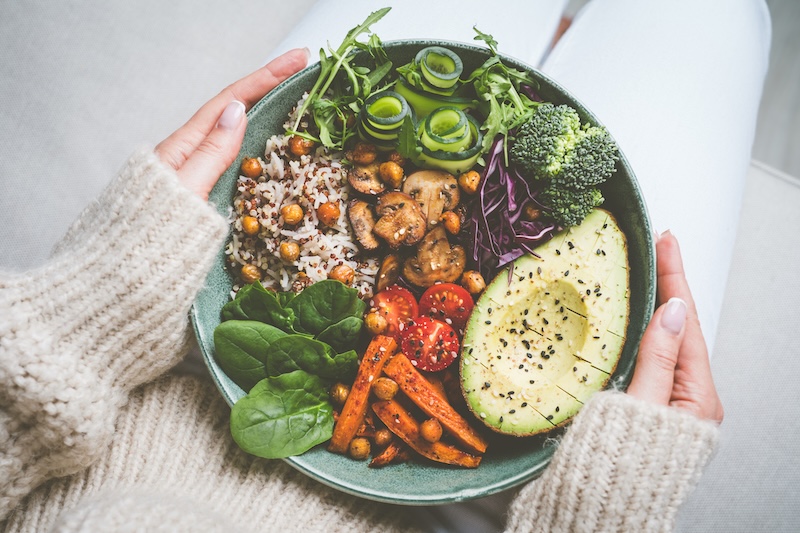
Vegetarian dishes often get a bad rap for being mundane or boring, frequently dismissed as little more than a side salad or a plate of uninspired steamed greens. For too long, plant-based cooking has struggled against the perception that it lacks the deep, savory satisfaction traditionally provided by meat. But preparing a memorable plant-based meal does not require complex culinary wizardry; it simply requires harnessing the power of umami.
Often called the fifth taste, umami translates to a “pleasant savory taste” and is the secret behind why certain dishes feel deeply comforting, robust, and complete. By intentionally incorporating five core sources of umami — vegetables, mushrooms, yeast, MSG, and fermented foods — you can give your vegetarian dishes a natural, explosive flavor boost that kicks the volume all the way to 100.
High-Umami Vegetables Add Flavor Depth
 Vegetables are the foundation of plant-based cooking, and many everyday produce items are packed with naturally occurring glutamates. Tomatoes, seaweed, potatoes, garlic, and sweet corn rank exceptionally high in umami, and they are readily available in grocery stores across all price points and geographic areas. Slow-roasting cherry tomatoes concentrates their natural sugars and savory depth, while a sheet of nori or kombu tossed into a vegetable broth instantly creates a rich, oceanic baseline. Utilizing these ingredients shifts a dish from tasting like flat water and vegetables to boasting a complex, layered flavor profile.
Mushrooms Are Savory Superstars
Mushrooms are another absolute flavor powerhouse in the vegetarian kitchen. Packed with guanylates — compounds that synergize with the glutamates in other ingredients to exponentially increase savory flavor — fungi bring a meaty texture and earthiness to the plate. You can finely chop them to bulk up a veggie burger blend for extra juiciness, roast portobello caps until they develop crispy, caramelized edges, or keep a jar of dried mushroom powder in your pantry to shake over roasted vegetables, gravies, and soups to spice things up instantly.
Nutritional Yeast Brings Protein and Richness
Nutritional yeast has long been a staple favorite among vegans and vegetarians due to its impressive protein content and its uncanny ability to emulate the aged, nutty, cheesy goodness of Parmesan cheese. These golden, flaky deactivated yeast flakes deliver a rich, savory punch that melts seamlessly into sauces, dusts wonderfully over popcorn, and elevates dairy-free pestos or risottos without missing a beat.
Monosodium Glutamate (MSG) Is Pure Umami
MSG is the ultimate shortcut to pure umami satisfaction, offering a clean, direct source of sodium and glutamate with a fraction of the sodium found in table salt. Despite outdated myths, MSG is a safe, plant-derived ingredient made through the fermentation of starches, sugar cane, or molasses. A small pinch added to marinades, soups, or stir-fries immediately bridges the flavor gap, rounding out rough edges and making savory dishes taste distinctly more complete.
Fermented Foods Offer a Variety of Complex Flavors
Fermented foods bring a dynamic layer of complexity to plant-based cooking. Ranging from soy sauce and rich miso paste all the way to tangy kimchi and sticky natto, the natural aging and fermentation process exponentially amplifies both the umami flavor and the funky-good, acidic notes that develop over time. Stirring a spoonful of white miso into a creamy dressing or splashing tamari into a glaze introduces a profound depth that lingers on the palate.
Do not get caught serving another forgettable vegetarian dish. By weaving these five savory powerhouses into your everyday cooking, you can easily transform simple plant-based meals into deeply satisfying, crave-worthy culinary experiences.
Food on Table Photo by Mariana Medvedeva on Unsplash

