

As a little girl, I couldn’t think of a single vegetable I liked, which made my mom’s efforts at healthy cooking quite challenging.
Through my own cooking journey, I began learning to mix different seasonings and textures, but it wasn’t until I attended an umami conference that I truly learned about the wonders of umami seasoning and how its founder combined glutamate with a little sodium to create monosodium glutamate (MSG) to help consumers eat more vegetables! I was smitten with this umami seasoning and started using it in my cooking, especially with vegetables. I hope this blog inspires you to supercharge your vegetables by incorporating MSG to bring out their umami taste.
I especially want to encourage you this fall to enhance your vegetable dishes with umami seasoning! As the seasons change, you can add umami to your favorite comfort foods and vegetables by incorporating umami-rich ingredients and simply using MSG.
What Is Umami?
Umami is one of the five basic tastes, along with sweet, salty, sour, and bitter. It is naturally present in certain foods and can be used as a flavor enhancer, providing a savory taste. It was first identified in 1908 and recognized as a basic taste in 2002. Umami seasoning can be made from vegetables and herbs such as garlic, thyme, parsley, and mushrooms, and MSG is considered the purest form of umami. When combined, these ingredients help create a savory flavor. Specifically, the umami taste comes from an amino acid called glutamate. Foods that contain glutamate include meats, tomatoes, mushrooms, and cheese.
 Why Use Umami?
Not only does MSG provide rich, savory flavors to vegetables, but it can also help reduce sodium intake when used as a substitute for salt. Umami seasoning can replace table salt, which is commonly used in most household meals. Although salt is a great seasoning for meals, high sodium can increase the risk of developing cardiovascular diseases when used in excess. Umami seasoning is a great salt substitute and can boost the flavors of your vegetable dishes. Also, using umami seasoning can help increase vegetable intake by adding greater appeal and taste, making them more enjoyable.
Cooking for the Fall Season
This season is the perfect time to add umami seasoning to your vegetables. Fall is a great time to experiment with colorful vegetables such as carrots, Brussels sprouts, squash, or mushrooms. You can roast, sauté, or simply add them to your favorite soups to boost flavor. Adding ½ to 1 teaspoon of MSG can help elevate their natural flavors to a new level of deliciousness.
Next time you’re planning a meal or choosing what to season your vegetables with, choose umami seasoning. I have included a few recipes below featuring some of my favorite vegetables seasoned with MSG. Here’s to creating fun flavor experiences with your vegetables while feeding your family nutritious vegetables.
Sylvia’s go-to vegetables using umami seasoning:
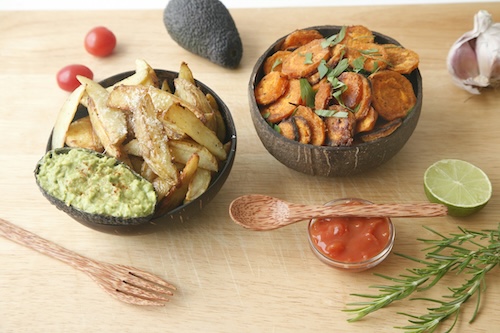
Umami Sweet Potato Nachos
Crispy baked sweet potatoes stand in for chips and add extra umami to this favorite appetizer.
Ingredients
- 1 Tbsp vegetable oil
- 2 medium-sized sweet potatoes or combine with russet potatoes unpeeled and thinly sliced
- ½ tsp umami seasoning (MSG)
- ½ tsp ground cumin
Pico de gallo salsa
- 1 cup tomatoes diced
- 2 Tbsp fresh cilantro chopped
- ½ cup red onion diced
- 1 Tbsp jalapeño chopped
- 2 Tbsp fresh lime juice
Toppings
- 1/2 cup cheddar cheese shredded
- 1/2 cup Chihuahua cheese or Monterey Jack cheese shredded
- ¼ cup light sour cream or Mexican crema
- 1 ripe avocado pitted, peeled, and diced
Instructions
-
Preheat oven to 400° F. Brush medium sheet pan with oil.
-
Drizzle the sliced sweet potatoes with the oil, then sprinkle with umami seasoning (MSG) and cumin, and toss to coat. Spread the sweet potatoes in a single layer on a sheet pan and bake until crisp and lightly browned on the bottom, about 25 minutes. Flip the sweet potatoes and bake for an additional 8 to 10 minutes. While the sweet potatoes bake, combine the salsa ingredients and set aside.
-
Top the cooked sweet potatoes with cheese, return the sheet pan to the oven, and bake until the cheese is melted, about 5 minutes.
-
Transfer to a large serving platter and serve topped with the salsa, sour cream or crema, and avocado.
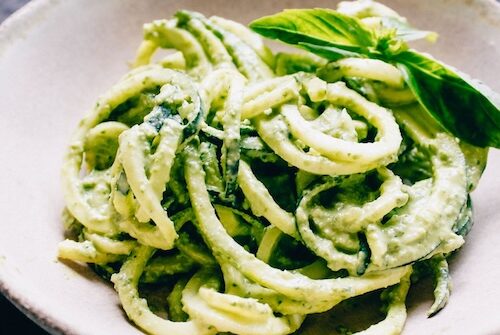
Zucchini Noodles with Creamy Avocado Pesto Sauce
This healthy pasta alternative made from vegetables can make a great side or serve as a main course.
Ingredients
- 3 large zucchini
- 1 Tbsp vegetable oil
Pesto Sauce:
- 2 medium ripe avocados
- 1 cup fresh basil leaves
- 3 cloves garlic
- 2 Tbsp fresh lemon juice
- ½ tsp umami seasoning (MSG)
- 3 Tbsp olive oil
- 1 tsp black pepper
- 1 Tbsp Parmesan cheese
Instructions
-
Spiralize the zucchini and set it aside on paper towels to soak up any excess water.
-
In a food processor or blender, add avocados, basil leaves, garlic, lemon juice, umami seasoning, and olive oil. Pulse until smooth.
-
Drizzle vegetable oil into a large skillet over medium-high heat, then add zucchini noodles and cook for about 1 to 2 minutes until tender.
-
Add zucchini noodles to a large bowl and toss with avocado pesto sauce. Season with pepper and Parmesan cheese.
Recipe Notes
Photo by Clara Farràs on Pexels
Resources
https://www.learningherbs.com/blog/umami-seasoning#gsc.tab=0
https://www.ajinomoto.com/umami/5-facts
https://www.usfoods.com/tools-tips-and-ideas/articles-and-publications/articles/take-that
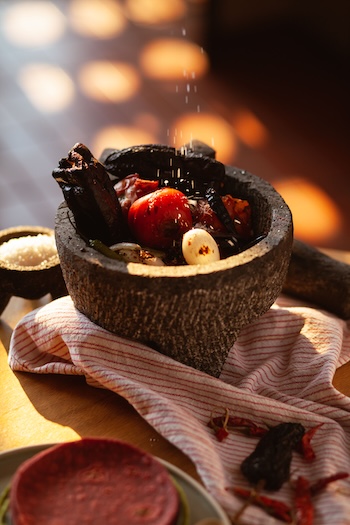
Roasted Vegetables in Mortar Photo by Los Muertos Crew on Pexels

