

According to the American Stroke Association, every 40 seconds, someone in the U.S. has a stroke. May is Stroke Awareness Month, and since up to 80 percent of strokes are preventable, it’s important to know how to manage the health factors you can control.
High blood pressure is a major risk factor for stroke, and a low-sodium diet combined with other lifestyle changes, such as exercise and maintaining a healthy weight, can decrease that risk.
Many Americans don’t know the warning signs of a stroke, and it is important to act quickly when you suspect that you or someone you know may be suffering a stroke or other medical emergency. Quick action can save a life and help prevent long-term disability, and a patient is more likely to recover the faster a stroke is treated. The American Stroke Association recommends using the acronym B.E. F.A.S.T. to help remember these important signs and know when to call for help:
- Balance loss
- Eye (vision) changes
- Face drooping
- Arm weakness
- Speech difficulty
- Time to call 911
Learn more about recognizing the signs of a stroke and seeking treatment.
Low Sodium Diets and Stroke Prevention
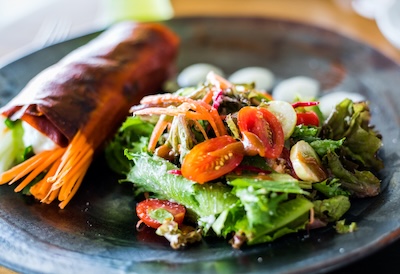 As the National Institute of Neurological Disorders and Stroke notes, strokes can be prevented and treated. One of the modifiable risk factors for stroke is high blood pressure (also called hypertension), which affects nearly half of Americans over age 20. The good news is that high blood pressure is treatable and can be managed in many ways, including a healthy diet that is low in sodium. According to the American Heart Association, most of us consume more than 3,400 mg of sodium per day, well over the limit of 2,300 mg daily recommended by the Dietary Guidelines for Americans.
Sticking to a low-sodium diet can be easier if you remember there are many ways to add flavor to food besides table salt. Chefs and dietitians recommend using herbs and spices to punch up a dish’s taste without upping its sodium content. Monosodium glutamate (MSG), or umami seasoning, can heighten the savory flavor of foods with two-thirds less sodium than table salt. Since most of us are more likely to eat healthful foods that also taste great, MSG can be valuable when preparing lower-sodium cuisine at home.
In this helpful video, the AHA details how important lifestyle changes are for lowering high blood pressure and decreasing the risk of stroke, heart attack, and other health conditions. Check out msgdish.com for more tips and recipes to eat healthy with less sodium and more umami.
Related Reading:

