

Why Reduce Sodium Intake?
Health organizations like the Centers for Disease Control and Prevention (CDC) recommend limiting sodium intake to support healthy blood pressure levels. But many people find cutting back on salt tough to do because the flavor of food can be sacrificed in the process. In the end, they struggle to stick to a low-sodium diet even though they know the health benefits of it. What if there was a way to have both lower sodium and good flavor?
How Can MSG Help Reduce Sodium Intake?
MSG contains about one-third the amount of sodium in table salt (sodium chloride). By replacing some of the salt in a recipe with a small amount of MSG, the flavor of a dish can be maintained or even improved despite its significantly lower total sodium content. This substitution works for food manufacturers, chefs, and home cooks alike.
What is MSG?
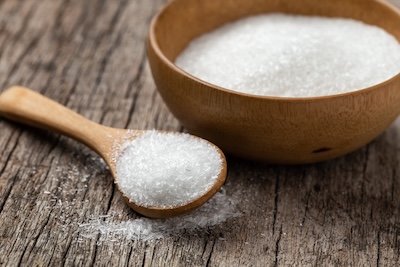 Monosodium glutamate (MSG) is a seasoning that provides a savory taste known as umami. It is the salt form of the amino acid glutamic acid, one of the building blocks of protein. Glutamic acid (or glutamate) is found naturally in many common foods, such as aged cheeses, tomatoes, and mushrooms.
How Much Can You Lower Sodium Intake with MSG?
Quite a bit, actually. Studies have consistently shown that replacing a portion of added salt with MSG can reduce the total sodium in various foods by up to 40% without compromising flavor.
Is MSG Safe to Use?
MSG has been extensively studied, and governmental food and health organizations around the world have determined it to be safe for consumption. In the United States, the Food and Drug Administration (FDA) classifies MSG as “Generally Recognized as Safe.” While a small percentage of people report temporary, mild symptoms after consuming large amounts, comprehensive research has not been able to duplicate those findings or explain why that would happen.
Using MSG to Reduce Sodium Intake at Home
Integrating MSG into your home cooking to reduce sodium is easy:
- Meat and Poultry: Sprinkle a small amount of MSG on meats before cooking or add it to marinades and rubs to boost natural flavor without heavy salting.
- Vegetables: A dash of MSG can enhance the umami flavor of vegetables, allowing you to use less salt when seasoning them.
- Seasoning Blends: When making your own spice or seasoning blends, replace 25% of the salt that the recipe calls for with MSG.
- Soups and Broths: Use MSG along with 25-30% less salt to enhance the savoriness of homemade stocks, soups, and stews.
A little MSG goes a long way. In general, use a pinch, or about a third of the amount of salt you are removing from a recipe.
When Grocery Shopping, Look for MSG to Reduce Sodium
 Some low-sodium processed foods, like canned soups or frozen meals, simply reduce the amount of salt added. These can taste bland compared to their full-sodium counterparts. Many other low-sodium processed foods use MSG to maintain taste and consumer acceptance when lowering sodium content.
Opt for products labeled “reduced sodium” or “low sodium” with an ingredient list that includes monosodium glutamate, inosinate, or guanylate to ensure you do not end up purchasing a flavorless product. (Inosinate and guanylate are two other ingredients that have umami flavor. Read more about them in Monosodium Glutamate 101: A Glossary of MSG-related Terms.)

