

Soup is a staple of comfort and coziness. But for many people, the sodium content of soups can be a concern. Fortunately, there is a way to reduce sodium while still creating a rich, satisfying taste through the use of MSG (monosodium glutamate).
What Is MSG?
MSG is the sodium salt of glutamic acid. In other words, it’s glutamate, an amino acid naturally present in foods like tomatoes, mushrooms, and aged cheese.
Glutamate is responsible for activating the tongue’s umami taste receptors. By increasing umami while decreasing sodium, a richer taste can be created without excessive amounts of sodium.

 Why Use MSG in Soups?
One of the key benefits of using MSG in soups is that it contains about two-thirds less sodium than table salt. To put that into perspective: ½ teaspoon of salt contains about 1,150 mg of sodium, while ½ teaspoon of MSG contains about 320 mg of sodium.
By using MSG to partially replace salt in soups, the total sodium content can be lowered while maintaining, or even improving, the overall flavor profile.
How to Use MSG to Lower Sodium in Soups
MSG is not a complete replacement for salt. The best results come from a balance of both: a modest amount of salt for overall seasoning and MSG to enhance savory depth. This approach supports flavor while helping to lower sodium intake.
Practical Ways to Use MSG in Soups
MSG is easy to incorporate into cooking. Here are some guidelines:
- Swap MSG for salt, but not fully: For the best flavor, don’t fully replace the salt with MSG. Reduce the salt in your recipe by about one third (⅓), then add approximately ½ teaspoon of MSG per 4–6 servings. This substitution maintains flavor with less sodium.
- Pair with umami-rich ingredients: Ingredients such as mushrooms, tomatoes, miso, and chicken naturally contain glutamate. Using MSG alongside these foods will bump up the umami even more.
- Adjust at the end: If a soup tastes flat after simmering, adding a small pinch of MSG at the end can brighten and balance the flavors.
- Apply across varieties: MSG works well in chicken noodle soup, miso soup, vegetable broths, lentil soup, and many others. The savory enhancement is noticeable across both plant-based and meat-based recipes.
Soup Recipes with MSG to Try
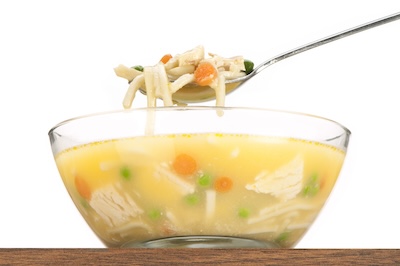 Ready to try using MSG for a lower sodium soup for yourself? Here are three recipes to get you started.
The Bottom Line
Replacing some of the salt in a recipe with MSG in soups is a practical strategy for individuals looking to reduce sodium in their diet. It shows that nutrition and flavor don’t have to be at odds with one another.
Related Reading: Why Is Soup So Good When You’re Sick?

