

What’s “umami”? It’s still a new word for many, but there isn’t a trained chef anywhere who isn’t familiar with umami.
Umami is often called “the fifth taste,” after sweet, sour, salty, and bitter. How is it different than those other four tastes?
Umami is different because it’s all about the overall “savoriness” of food. Think about foods like broths, meat stock, and rich-tasting foods like Parmesan cheese. A number of compounds naturally present in food help give food its umami. Two amino acids, glutamate and aspartate, as well as the compounds IMP and GMP, also known as “nucleotides,” bring umami to foods. These are chemicals naturally present in foods, or that result from processes like cooking or fermenting foods.
“Kokumi”: One Word, Many Properties
While umami is becoming more familiar, “kokumi” is a new term to many, even to experienced cooks. You actually know the properties of kokumi, even if you don’t know the word. Kokumi isn’t about taste specifically; it’s about the sensory combination of physical properties of food, like texture and “mouthfeel,” and how they contribute to our taste perception.
The word “kokumi” is an expansion of the Japanese word “koku,” meaning “delicious mouthfeel.” Think of how wine stewards refer to a wine’s “complexity” or that it’s “smooth” or has a “long finish.” Mouthfeel and food texture are important to our enjoyment of many foods. Would marinara sauce be as enjoyable if it had a thin, watery consistency? Ditto whipped cream or Greek yogurt? Would a luxurious chocolate truffle be as delicious if it were grainy?
 How Do Umami and Kokumi Impact Taste?
For umami, the short answer is specific taste receptors on the tongue detect when particular amino acids or nucleotides, or both, are present. Umami ramps up the flavor of foods by using those amino acids and nucleotides to stimulate your salivary glands and alert taste receptors on your tongue proteins are present. Receptors then communicate with the brain to help influence your taste perception.
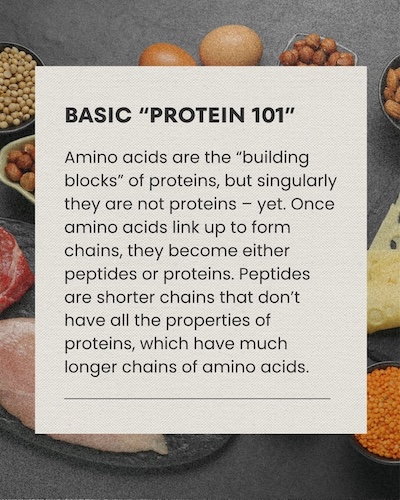
There are a number of substances that contribute to kokumi, including calcium, the amino acid L-histidine, and certain “gamma-glutamyl peptides,” such as glutathione, a prevalent one in foods. These peptides may have no taste on their own, but they can activate taste receptors on the tongue that, in turn, help enhance our perception of taste and our experience of eating a particular food.
The end result of the involvement of these peptides, according to this review of the research, is an eating experience with enhanced complexity, thickness, “mouthfulness,” and continuity of taste. Think of kokumi as enhancing our “oral perception” of foods.
Umami and Kokumi Help Satiety

You might wonder, “If umami and kokumi make food taste better and have a better taste mouthfeel, why would that contribute to satiety (feeling satisfied and full)? Wouldn’t better-tasting food make me want to eat more, not less?”
It’s easy to think that, but the opposite seems to be true, according to the research linked above. Kokumi, which adds to the feeling of food volume and extends the taste of foods for a “longer finish,” helps you feel that you’re eating more food than you actually are, thus promoting satiety. (Of course, it also helps if you eat a little more slowly, which helps you really notice the longer finish and more intense taste provided by foods with umami and kokumi.)
The research review also found that, when umami and kokumi are both present, they enhance flavor and taste with LESS added sugar, salt, and fat. That can help support a healthier eating pattern without sacrificing flavor.
An example of this is adding monosodium glutamate (MSG) to foods to enhance their flavor. It has 62% less sodium than regular salt, yet amps up the flavor of foods by adding umami. Adding MSG to a food already rich with kokumi, such as garlic or broths, makes food taste more substantial than its calories might suggest. More flavor, better eating experience, and with less salt and fat? You’ll find me on Team Umami/Kokumi every time!
Related Reading
Creating Flavors that Are Compelling and Ultimately Satisfying

