
Start off today with a quick quiz. How much do you know about fermented foods?
Test your culinary acumen and identify the one food that does not belong on this list:
Buttermilk
Yogurt
Wine
Sourdough bread
Beer
Cider
Tempeh
Vinegar
Lemon juice
MSG
Miso
Kimchi
Sauerkraut
Olives
Pickles
If you picked lemon juice, you are correct. All the other foods have been developed and prepared through fermentation. A surprising appearance on this list is that of monosodium glutamate, or MSG. A well-known flavor enhancer and sodium-reduction seasoning, MSG indeed is also made through fermentation, just like the other ingredients on the list.
MSG Produced through Fermentation
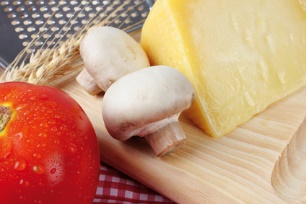
Glutamate is found in abundance in the human body, as well as in protein-rich foods such as aged cheeses, mushrooms or beef, and is responsible for the savory tastes and depth of flavor called umami. In 1908, a professor named Kikunae Ikeda was able to extract and crystallize glutamate (with sodium) from kelp or seaweed broth. The resulting MSG or monosodium glutamate is prized for its taste-enhancing properties.
 Today, MSG is produced through fermentation, rather than extraction and crystallization from seaweed. Fermentation products such as beer, wine, and vinegar result from the action of yeasts, bacteria and other microorganisms on fermentable sugars, and growing in the absence of air.
For MSG, fermentation starts with starch derived from cassava, corn or rice, or molasses from sugar beets or sugar cane. From the starch or molasses, sugar is extracted which serves as the nutrient source for the bacteria during the fermentation process. Glutamate produced as a result of the fermentation is separated out, purified and crystalized. The dried and packaged white crystals are MSG, ready to provide umami flavor and enhance the taste of your food.
And here is the next quiz to test your culinary skills. Which of the food products below can be produced through fermentation of one or more of the ingredients on the list above?
- Sample: Milk when fermented becomes Buttermilk
- Malt when fermented becomes ?
- Grapes…
- Cabbage…
- Apple juice…
- Soy beans…
- Coffee beans…
- Cucumbers…
- Grain alcohol…
- Tofu…
- Maize…
- Cocoa…
- Heavy cream…
- Radishes…
- Anchovies…
Answers:
- Beer 2. Wine 3. Sauerkraut 4. Cider 5. Tempeh 6. Cultured coffee 7. Pickles 8. White vinegar 9. Fermented bean curd 10. Chicha (Corn beer) 11. Chocolate 12. Crème fraîche 13. Kimchee 14. Worcestershire sauce
Related Reading:

