
In the good old days, the typical table condiments looked like a 1950s lineup: a predictable and standard array of salt, pepper, ketchup and mustard.
Over the decades, however, as the American palate became broader and more adventuresome, that lineup changed. Soy sauce moved from Asian restaurants into mainstream kitchens. Parmesan and red pepper flakes became staples for pizza night. Salsa was standard for Taco Tuesday. Sriracha moved from niche to mainstream. Fish sauce stepped out of the Vietnamese pantry. And hot honey drizzled its way onto everything from fried chicken to charcuterie boards.
The American palate continued to evolve as global travel and communication broadened our interests and tastes internationally. According to Datassential trend research, nearly half of consumers have eaten a globally influenced dish beyond mainstream Italian, Mexican, or Chinese in the past week…a number that has steadily climbed since 2017.¹
Asian cuisine remains popular, with two-thirds of consumers reporting they enjoy sushi and more than half favoring dishes like Pad Thai and Korean BBQ. Miso-based sauces are gaining traction, while chili crisp already took over in 2025. And Sambal, harissa aioli, and green curry yogurt sauces are now showing up in home kitchens. 2
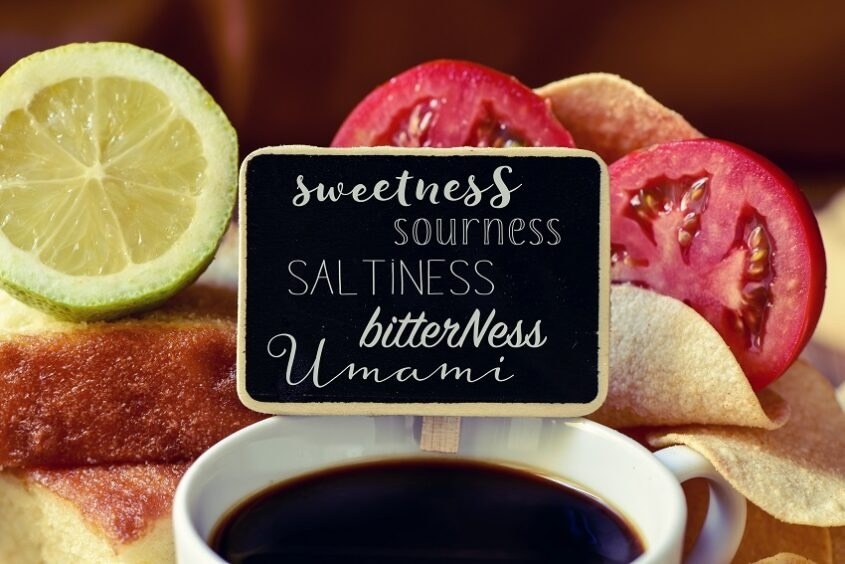
Why are these flavors so compelling? Because they are built on umami. Many of these ingredients are naturally rich in glutamate, the compound responsible for umami, the fifth taste, and the essence for savory flavor. In soy sauce, fish sauce, miso, MSG and fermented foods, glutamate is the backbone of their savory taste appeal.
From a nutritional standpoint, that matters. The International Food Information Council reports that 30 percent of Americans say they are more likely to choose healthy foods than they were a year ago. Many are shrinking portion sizes and eating smaller volumes at meals and snacks.3 When we eat less, we expect more from every bite with more depth and more satisfaction
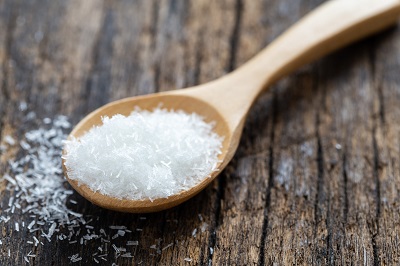 That signals a shift: a choice of taste quality over food quantity. And no added ingredient delivers umami flavor quality more efficiently than MSG. If we are eating less, we want every bite to matter. We want depth of flavor in a smaller package, and MSG helps deliver exactly that. It makes smaller portions feel more satisfying.
It was part of everyday cooking in my childhood home. My mother kept a shaker of MSG next to soy sauce, salt, and jars of fermented Chinese sauces by the stove. She used just a pinch to deepen flavor. Because MSG contains about one-third the sodium of table salt, she could use less added salt while still achieving the savory taste she wanted.
That early lesson in flavor stayed with me.
Today, as global flavors become part of everyday cooking, it’s time to take the next step. MSG, the concentrated form of glutamate responsible for umami, deserves a place on the table. In many households around the world it is already used much like salt or pepper.
Placing a small shaker of MSG on the table amplifies the very taste that makes these global flavors so satisfying. A pinch enhances eggs, roasted vegetables, soups, grilled meats, and even popcorn. It delivers a depth of flavor without extra calories, fat, or sugar.
Condiments evolve with culture. As we embrace a more global, more flavor-conscious identity, it is time our tables reflect it. So stop hiding umami in the pantry. Put MSG on the table…and season boldly.
Resources
- Datassential. Global Flavors Are Redefining American Restaurant Trends in 2025. Accessed February 26, 2026. https://datassential.com/resource/global-flavors-restaurants-growth-2025/
- Innova Market Insights. Innova’s Top Ten Trends 2026: Shaping the Future of Food & Beverage. Published October 13, 2025. Accessed February 26, 2026. https://www.innovamarketinsights.com/press-releases/innovas-top-ten-trends-2026-shaping-the-future-of-food-beverage/
- International Food Information Council. 2025 IFIC Food & Health Survey: The Full Report. Published January 2026. Accessed February 26, 2026. https://ific.org/wp-content/uploads/2025-IFIC-Food-Health-Survey-Full-Report.pdf
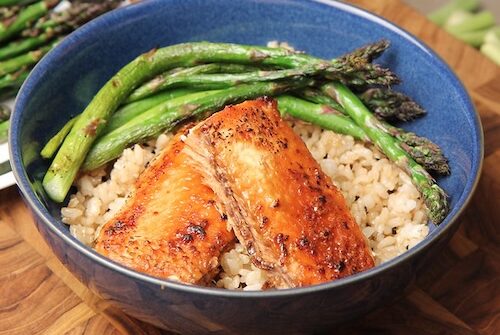
Miso–Soy Glazed Salmon Bowls with Chili Crisp & Scallions
This recipe layers naturally glutamate-rich ingredients, miso, soy sauce, and MSG, and then lets everyone customize at the table.
Ingredients
- 4 salmon fillets
- 2 Tbsp white or yellow miso
- 1 Tbsp soy sauce
- 1 tsp honey optional
- 1 tsp rice vinegar
- 1 tsp grated ginger
- 1 clove garlic minced
- 2 cups cooked jasmine or brown rice
- Steamed broccoli or bok choy
- Sliced scallions
- Sesame seeds
Condiments (Place these out in small bowls or shakers)
- Chili crisp
- Extra soy sauce
- Rice vinegar
- Toasted sesame oil
- Small shaker of MSG
- Fresh lime wedges
Instructions
-
Whisk miso, soy sauce, honey, vinegar, ginger, and garlic. Brush over salmon.
-
Roast at 400°F for 10–12 minutes until just cooked.
-
Build bowls in layers starting with rice, then adding vegetables and finally salmon on top
-
Garnish with scallions and sesame seeds.
-
Set out the condiment tray and let everyone customize their bowl.
Recipe Notes
Photo credit: Flickr user Jo del Corro.

