
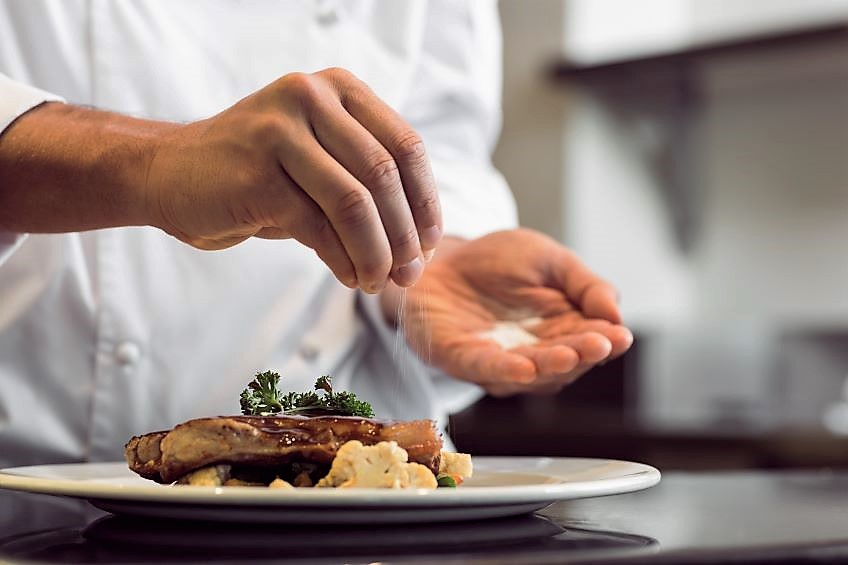
For decades, science has supported the use of monosodium glutamate (MSG) to boost umami flavor in food.
Study after study has demonstrated that MSG is safe to consume, and human bodies treat the glutamate in MSG the same way they treat naturally occurring glutamate in commonly consumed foods like tomatoes, cheese, corn, and more.
Science Supports MSG for Safety and Satisfaction
 An October 2025 article in Nutrition Advance explored the question “Is MSG Bad for You?” and cited studies demonstrating the safety of MSG, along with well-established guidelines from the FDA, WHO, and other organizations recognizing MSG as safe. The article also noted that research published in June showed promise for increasing the palatability of healthy foods such as vegetables using MSG, encouraging healthier eating habits.
Another group of researchers also found that adding MSG to doenjang soup, a Korean dish, increased not only umami taste, but the presence of “kokumi, a Japanese term describing mouthfulness, continuity, and flavor persistence.” The depth and richness that MSG added to the soup made for a more satisfying dining experience.
Sensory factors are at play when taking a flight as well. For example, noise from the airplane engine can actually amplify the umami taste in food. While tests have shown that passengers perceive about 30% less of the overall flavor of airline food in flight, umami is best perceived at flying altitude. For this reason, travelers who select menu items with umami-rich ingredients are likely to enjoy their meals and beverages more than those who choose other fare.
Popular Ways to Use MSG at Home
 Many chefs with popular restaurants, cookbooks, and media outlets agree that MSG is a basic seasoning, like salt or pepper, to be added to a dish when you want to elevate umami taste. Using MSG to give tomato sauce a boost is a popular cooking hack, and other dishes with tomatoes can benefit from a sprinkle of the seasoning as well, as Tasting Table recently demonstrated. Popular chef Rocco Dispirito, along with other celebrity cooks, touts chicken powder – which often contains MSG – as a versatile ingredient that home cooks can keep on hand to enhance umami flavor: “A lot of home cooks, like my mom and other people’s moms, and in the Asian kitchen, they’re using MSG a lot.” Interested in using MSG in home cooking? See how-to videos here.
On the sweeter side of the kitchen, cookbook author Kat Lieu included MSG, miso, and other umami-forward ingredients in her latest book, 108 Asian Cookies, noting: “MSG builds up the umami in food — so if you’re making any of my savory or spicy cookies, add a few dashes to your cookie dough or batter. Or if you’re making matcha cookies, the MSG will enhance matcha’s umami notes.” A recent article from Salon provided some tips for adding umami in the form of soy sauce to Christmas cookies like shortbread and peanut butter blossoms for bakers looking to up their festive treat game.
If you’re looking for ways to introduce MSG in your own kitchen, read 8 Tips for Using MSG in Cooking and in Recipes. For more studies and articles about MSG’s safety and history, visit MSGfacts.com.

